
Many travelers and long distance walkers dream of making the epic pilgrimage on the Camino de Santiago. Have you ever considered walking the Camino with your dog? While this takes some careful planning in advance, it's possible to walk the Camino with your canine companion.
There are many considerations to keep in mind when planning a Camino de Santiago walking trip, such as which route to take, how far you'd like to go (will you walk the entire route or walk a segment of it?), what you will bring with you and where you'll spend each night.
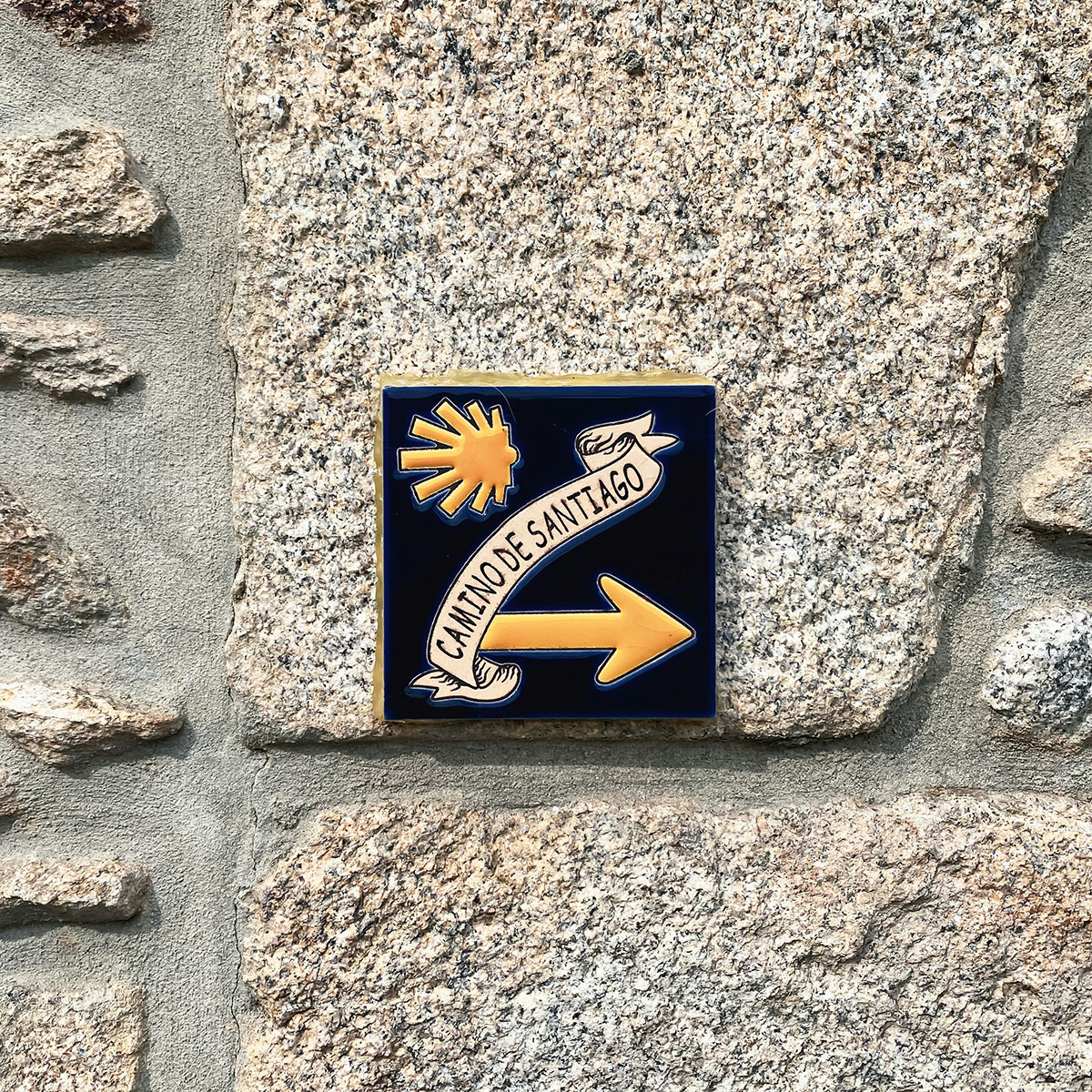
In this blog post, I'll specifically dive into the logistics of walking the Camino with a dog. What could be more special than sharing this experience with your little furry best friend?
Jump to:
Should I Walk the Camino With My Dog?
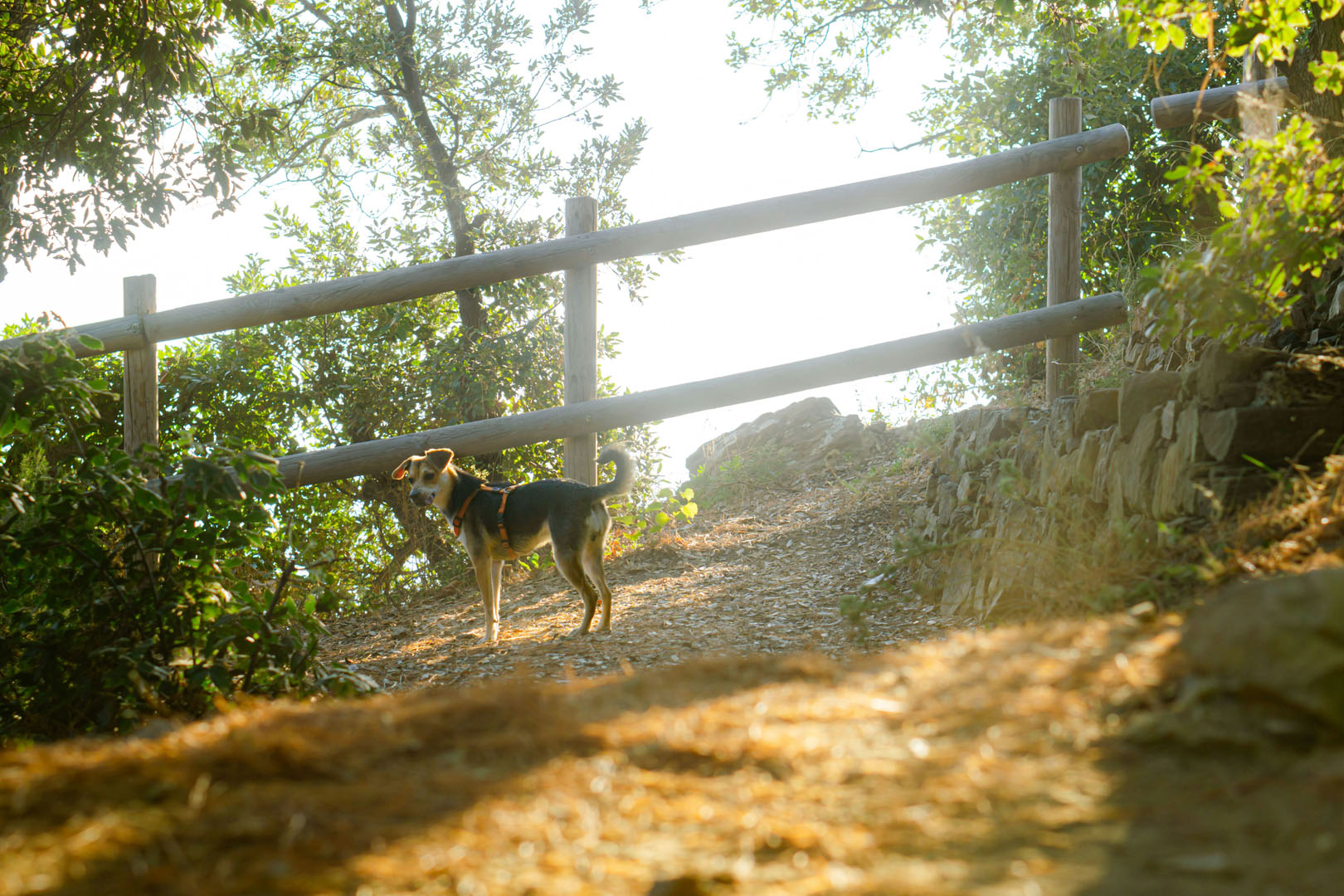
First things first, let's consider whether or not you should walk the Camino de Santiago with your dog. It's more difficult than planning a trip simply for yourself or for other humans.
The safety and well-being of your dog is the most important consideration. A daily walk on the Camino is usually anywhere between 20 and 25 kilometers. Your dog should be used to walking these vast distances or you'll need to adapt your plans and walk shorter distances each day.
Just as you will need to train in advance, so will your dog. Take your dog on long walks to make sure that he or she is up to the challenge.
I'd also advise you to walk the Camino with your dog in the cooler spring or autumn months. The summer gets very hot and there's a far better chance that you and your dog can become dehydrated on the trail.
The Best Routes to Take With Your Dog
The first question you'll likely have involves which route of the Camino de Santiago to take with your dog. It might differ from the route that you'd walk if you were on your own.
The most dog-friendly sections of the Camino are generally the final 100 kms of various routes. These will all take about a week to walk. Here are three to consider:
- Camino Francés: Sarria to Santiago (111km)
- Camino Portugués (Central): Tui to Santiago (119km)
- Camino Portugués Coastal: Vigo to Santiago (100 km)
Another important consideration will be transportation to the beginning of the route and transportation from the finishing point. Many forms of public transportation don't allow dogs on board. You may need to consider private transfers that are dog-friendly.
Walking the Camino de Santiago With Your Dog: Accommodations
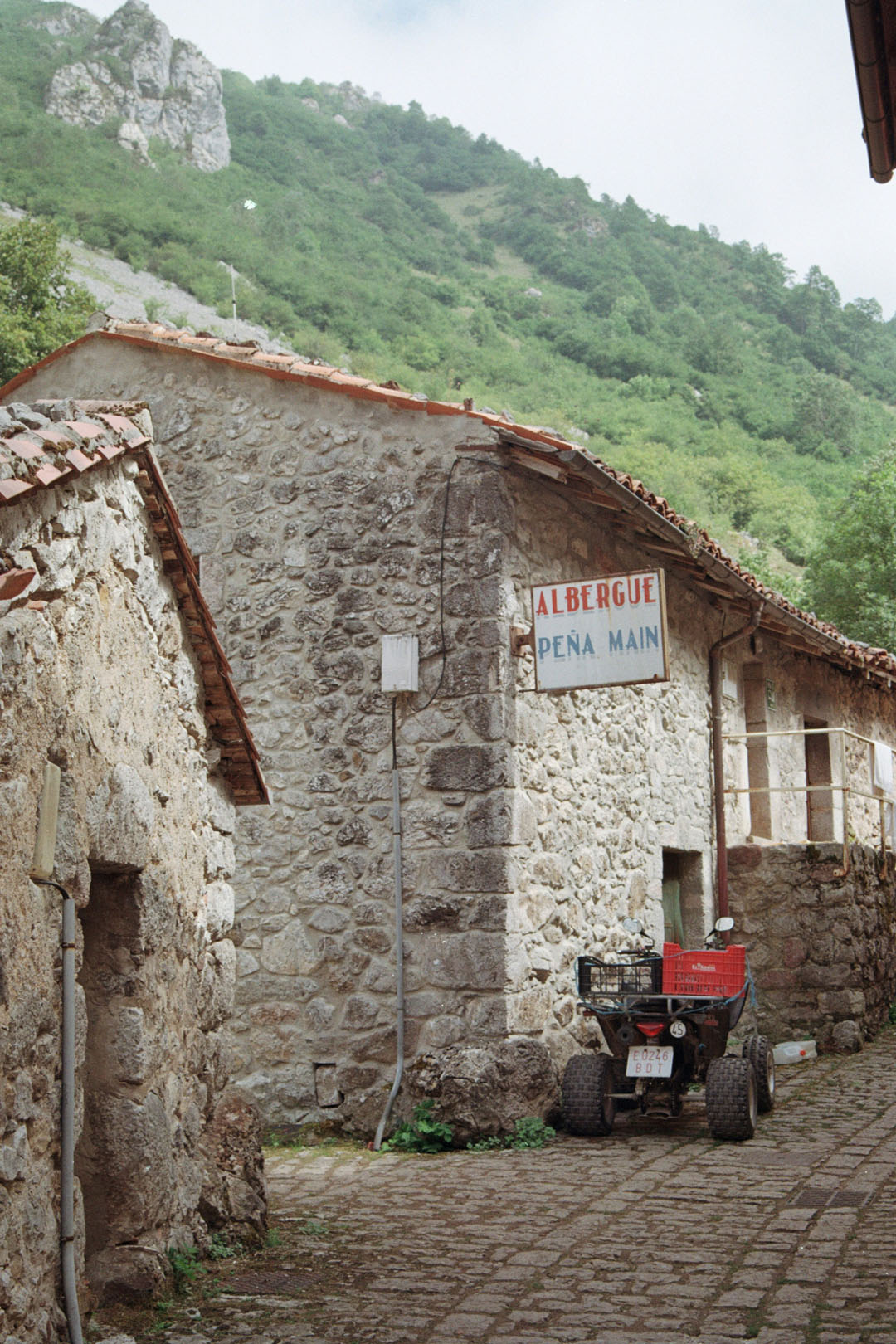
One of the trickiest aspects of bringing your dog on the Camino de Santiago is finding dog-friendly accommodations.
The traditional albergues (hostels for pilgrims found along the walking routes) are typically not dog-friendly accommodations. Albergues are usually first come, first served, and offer a deeply discounted place to stay for long distance walkers.
As albergues are not dog-friendly, you will need to stay at privately owned hostels, B&Bs or other accommodations. It's a good idea to ask about your dog ahead of time and to book these accommodations in advance.
What to Bring to Walk the Camino With Your Dog
- Harness and leash
- Portable bowls
- Protective boots or Vaseline for paw pads
- First aid kit
- Blanket or sleeping bag
- Portable bed
- Dog food
- Water
- Poop bags
- Vaccination record and health certificate for your dog (visit your local vet in advance before your trip)
Helpful Tips for You and Your Dog
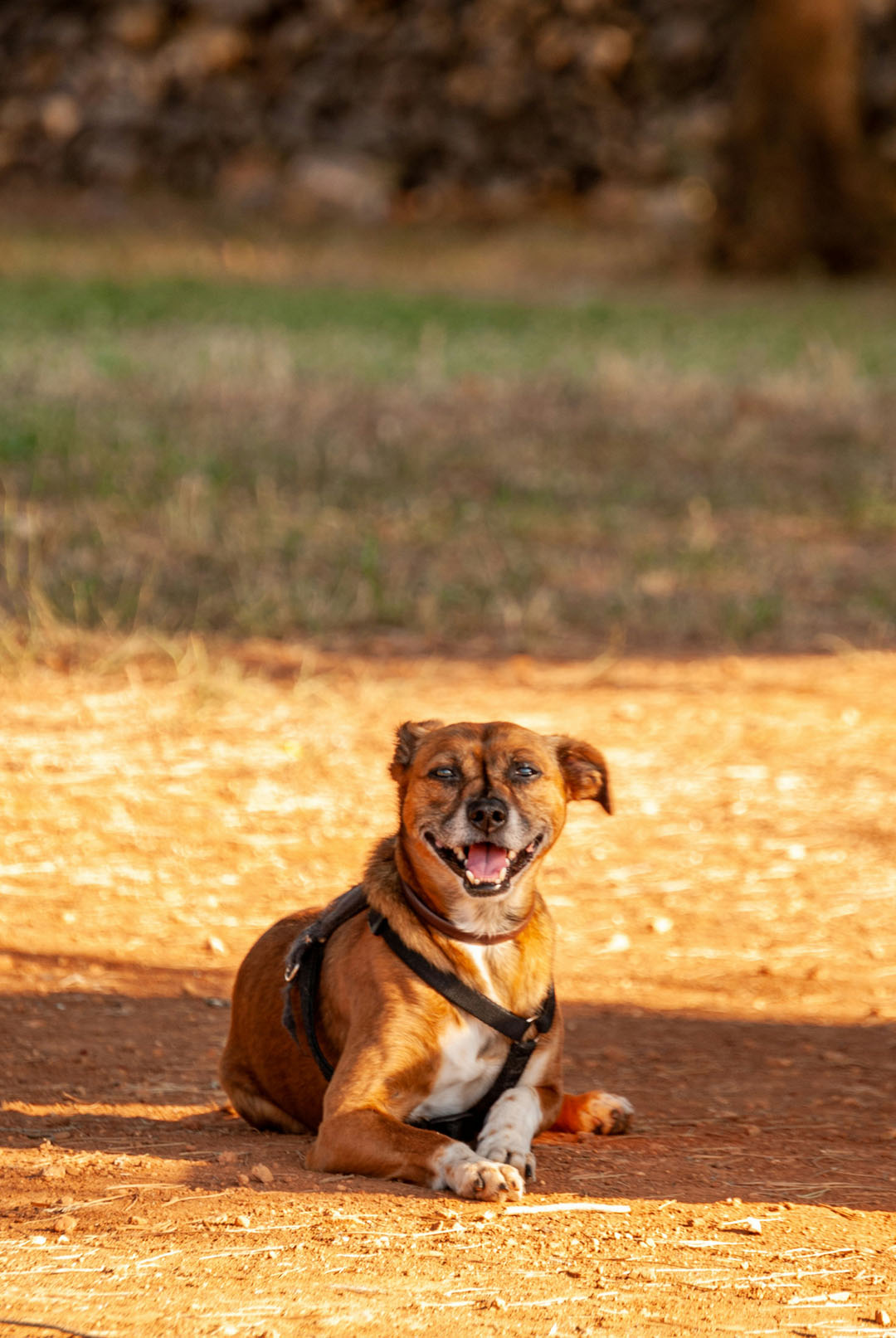
Here are some ways that you can make this a more enjoyable experience for your best buddy. First, get an early start. Walk in the early mornings when it's cooler outside. Stop to rest in shady spots to give your dog a break from the hot sunshine.
Before you set out, don't feed your dog a big meal. This can upset their stomach. Instead, give your dog plenty of water and small snacks throughout the day. Once you're finished walking for the day, feed your dog a larger meal.
Consider feeding your dog wet food instead of dry kibble, or add wet food to your dog's diet. Wet food can help rehydrate your dog more than dry food. If you plan to make any changes to your dog's diet, do this well in advance at home. Changing your dog's food can cause digestive upset, and it's best to make any changes very gradually at home first.
Check his or her paw pads regularly to make sure they aren't cracked or injured. Apply Vaseline to help moisturize the pads and put protective boots on your dog when needed.
You may want to invest in a service that transports your (and your dog's) luggage/necessities from one accommodation to the next. The larger bags of dog food, pet beds, and other things that don't need to come with you on the walk will be waiting for your dog at the end of the day.
Be sure to pay attention to the local laws. Check the EU rules for the country you're visiting when it comes to traveling with pets. Some areas may require that you dog stay on a leash, while other places might require your dog to wear a muzzle. Familiarize yourself with the rules in advance.
The Canine Compostela
Did you know that your dog can receive its own certificate for completing the Camino (or sections of it)? Just like human pilgrims receive a Compostela to showcase their completion of the Camino, dogs can receive a Canine Compostela.
This certificate is issued by the Animal Protection Association of the Way (APACA) and you can request it ahead of time over email or WhatsApp from the website linked above.
Walking the Camino with a dog can be an incredibly special and rewarding experience. You might even find yourself returning with your dog to hike more sections of the Camino de Santiago again and again.

More Blog Posts About Spain
Planning a trip to Spain? Here are some more articles to read before your trip:
Want more travel tips and inspiration? Follow me on Instagram! I share daily adventures, whether I'm at home in Ontario, Canada, or halfway across the world!
Don't forget travel insurance!
Heading out of the country? Don't forget to get travel insurance. It's best to be covered in case of an emergency, cancellation or accident.

Leave a Reply